Jun 14, 2026Product Comparisons
How to Improve Car Paint Repair Efficiency: A Guide to Using Professional High-End Sandpaper
Discover how to improve the efficiency of paint repair by choosing high-end abrasive sandpaper. From cutting force to anti-clogging technology, this article provides you with professional-grade sandin
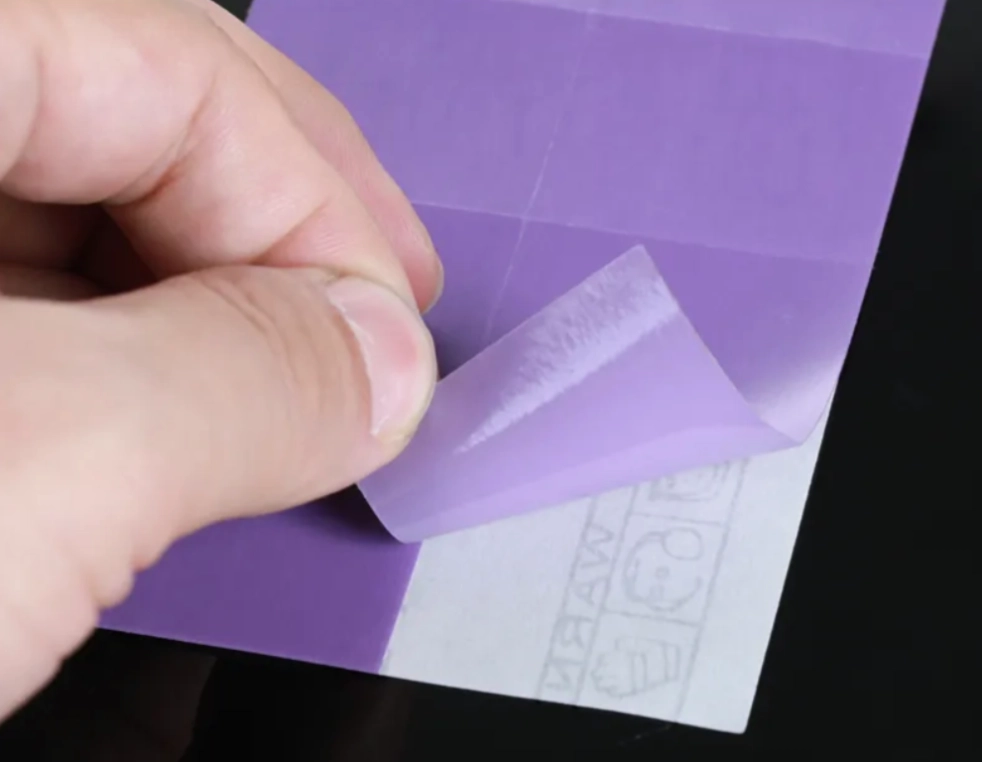
Automotive Refinishing Efficiency: A Guide to Premium Abrasives
1. Why "High-Spec" Abrasives Save Labor
The primary difference between premium abrasives (such as high-performance ceramic grains) and standard sandpaper lies in "cutting efficiency" and "durability."
- Reduced Sanding Time: High-grade ceramic grains provide superior cutting power, allowing you to remove rough surfaces in less time and reducing the number of passes required.
- Easier Polishing: High-quality abrasives leave a consistent, shallow scratch pattern, meaning you can bypass aggressive polishing compounds and quickly eliminate sanding marks, significantly shortening the workflow.
- Higher Longevity: Abrasives with excellent anti-clogging coatings last 2-3 times longer than standard products, minimizing downtime caused by frequent paper changes.
2. The "Golden" Workflow for Different Stages
To achieve professional-grade finishes, we recommend standardizing your sanding process:
- Filler Leveling Stage: Use high-strength ceramic grain sandpaper (P80-P180). Focus on rapid leveling without generating excessive heat that could warp the body filler.
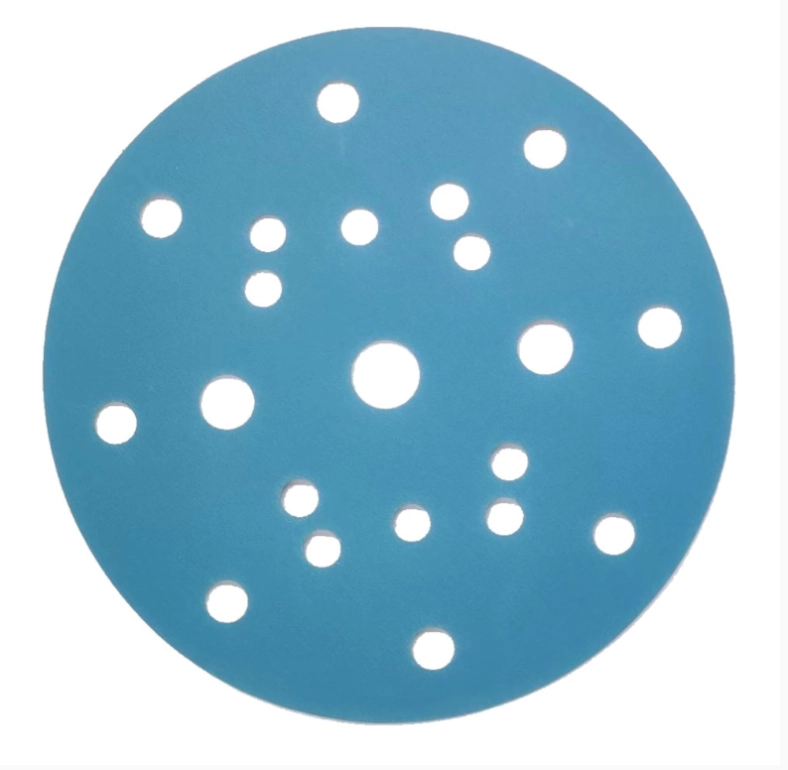
- Primer Surfacer Stage: Use open-coat or mesh abrasives (P240-P600). This structure effectively extracts dust, preventing stray particles from scratching the primer surface.
- Clear Coat Defect Repair: Always use high-flexibility, film-backed abrasives (P1500-P3000). Combine this with light lubrication to precisely remove orange peel or minor runs while preserving the integrity of the surrounding clear coat.
3. How to Optimize Your Inventory
For premium repair shops, blind procurement of excessive grit types increases management costs. We recommend streamlining your inventory based on three criteria:
- Prioritize Abrasive Hardness: Select ceramic or semi-friable grains that can adapt to varying clear coat hardnesses.
- Consistency in Backing: Standardize your backing materials (e.g., film backing) to ensure consistent tactile feedback and longer product life.
- Standardized Processes: Fix your grit progression to avoid "over-sanding" caused by switching between incompatible abrasive types.
Our Conclusion
Efficient sanding is not just manual labor; it is a science. By upgrading your abrasive configuration and following a standardized repair process, you can significantly reduce rework rates and boost overall shop productivity.