Jun 14, 2026Product Comparisons
Professional Guide: Dry vs. Wet Sanding Techniques for Automotive Refinishing
Master the art of automotive surface repair. This guide breaks down the differences between dry and wet sanding, helping you achieve a perfect mirror-like finish for high-end paint jobs.
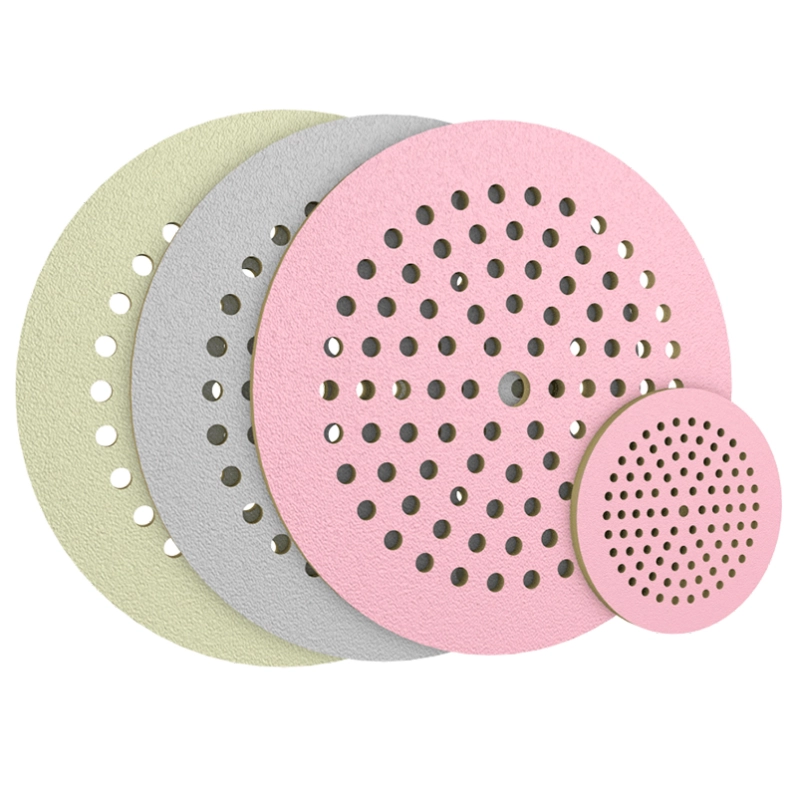
Premium Automotive Sanding: A Professional Guide to Surface Repair and Finishing
In the high-end automotive detailing and refinishing industry, the quality of your sanding process directly determines the final gloss and flatness of the paintwork. Many professionals and enthusiasts often confuse the applications of dry and wet sanding.
This article breaks down how to choose the right premium sanding products to boost your efficiency and ensure a mirror-like finish on every vehicle.
1. Why Choose Premium Sanding Abrasives?
Automotive paint repair is a precision process. Using low-quality sandpaper can lead to severe scratches and uneven paint layers, making the final polishing stage significantly more difficult. Premium abrasive products offer several key advantages:
- Consistent Cut Rate: Uniform grain distribution ensures a consistent sanding depth, preventing unpredictable, deep scratches.
- Anti-Clogging Coating: High-end products feature specialized coatings that prevent paint dust buildup, significantly extending the lifespan of the abrasive.
- Superior Flexibility: Designed to perfectly conform to a vehicle's complex curves and body lines, ensuring no corner is left untreated.
2. Dry Sanding vs. Wet Sanding: Which One to Choose?
In the automotive repair workflow, dry and wet sanding serve different purposes. Understanding the difference is the first step toward professional results.
Dry Sanding
- Key Characteristics: Fast operation, high cleanliness, and allows for clear, real-time observation of sanding progress.
- Applications: Primarily used for sanding filler, leveling primer (surfacer), and fine sanding before applying basecoat.
- Professional Tip: Modern premium body shops favor dry sanding systems paired with vacuum extraction. This not only protects the environment but also prevents sanding dust from re-contaminating the fresh paint.
Wet Sanding
- Key Characteristics: Water acts as a lubricant, dissipating heat generated during sanding while keeping dust from becoming airborne.
- Applications: Typically used for rectifying defects in the clear coat (such as runs or orange peel) or for the final fine-leveling before polishing.
- Professional Tip: Wet sanding effectively prevents heat buildup that could damage the paint, making it the ideal choice for final steps where absolute flatness is required.
3. Recommended Sanding Workflow: From Coarse to Fine
To achieve the best possible finish, we recommend following a "progressive" sanding principle:
Stage | Recommended Grit | Primary Function |
Coarse | P80 - P180 | Rapid leveling, removing deep scratches or old paint |
Medium | P240 - P600 | Refining the surface, preparing for paint application |
Fine | P800 - P1500 | Removing minor imperfections, smoothing paint texture |
Pre-Polish | P2000 - P3000+ | Ultra-fine leveling, significantly reducing polishing time for a mirror finish |
4. Three Tips for Professionals
- Don't Skip Grits: Avoid jumping from a coarse grit (e.g., P180) to a fine grit (e.g., P800). Scratches from the coarser grit will not be fully removed, often leading to "ghost scratches" that only appear after polishing. Always progress through the grits logically.
- Use Consistent Pressure: Let the abrasive do the work rather than applying excessive manual force. Too much pressure can cause deep scratches and overheat the paint surface.
- Clean Regularly: Whether dry or wet sanding, keep a clean microfiber cloth handy to wipe down the surface. This allows you to monitor your progress accurately and prevents over-sanding.
Conclusion
Choosing professional-grade abrasives is not just about respecting the craft of automotive refinishing—it is the key to maximizing efficiency. By mastering the synergy between dry and wet sanding, you can take your automotive detailing business to the next level.
If you are looking for abrasive solutions tailored for the high-end automotive market, explore our product line. We are committed to providing industry-leading technical support for your projects.
What is the most challenging scratch repair issue you’ve encountered in your shop? Share it in the comments below, and we’ll provide you with a tailored sanding solution.
Author: Anna Liu
LinkedIn:https://www.linkedin.com/feed/