Jun 18, 2026Abrasive Technology
Industrial Sandpaper Grit Chart: P40 to P3000 Guide | Saylonk
Master sandpaper grit selection from P40 to P3000. Learn the standard FEPA grading sequences optimized for industrial grinding and automotive refinishing
Sandpaper Grit Chart Explained: From P40 to P3000 for Industrial Applications
Selecting the correct sandpaper grit is a critical factor in industrial surface preparation. In high-volume production, using an incorrect grit sequence leads to tracking errors, wasted materials, and costly rework.
Most global manufacturing sectors follow the FEPA standard (indicated by the "P" prefix). This guide breaks down the standard grit spectrum and highlights the optimal grading sequence for high-end automotive refinishing and industrial grinding.
Decoding Sandpaper Grit: The FEPA Standard
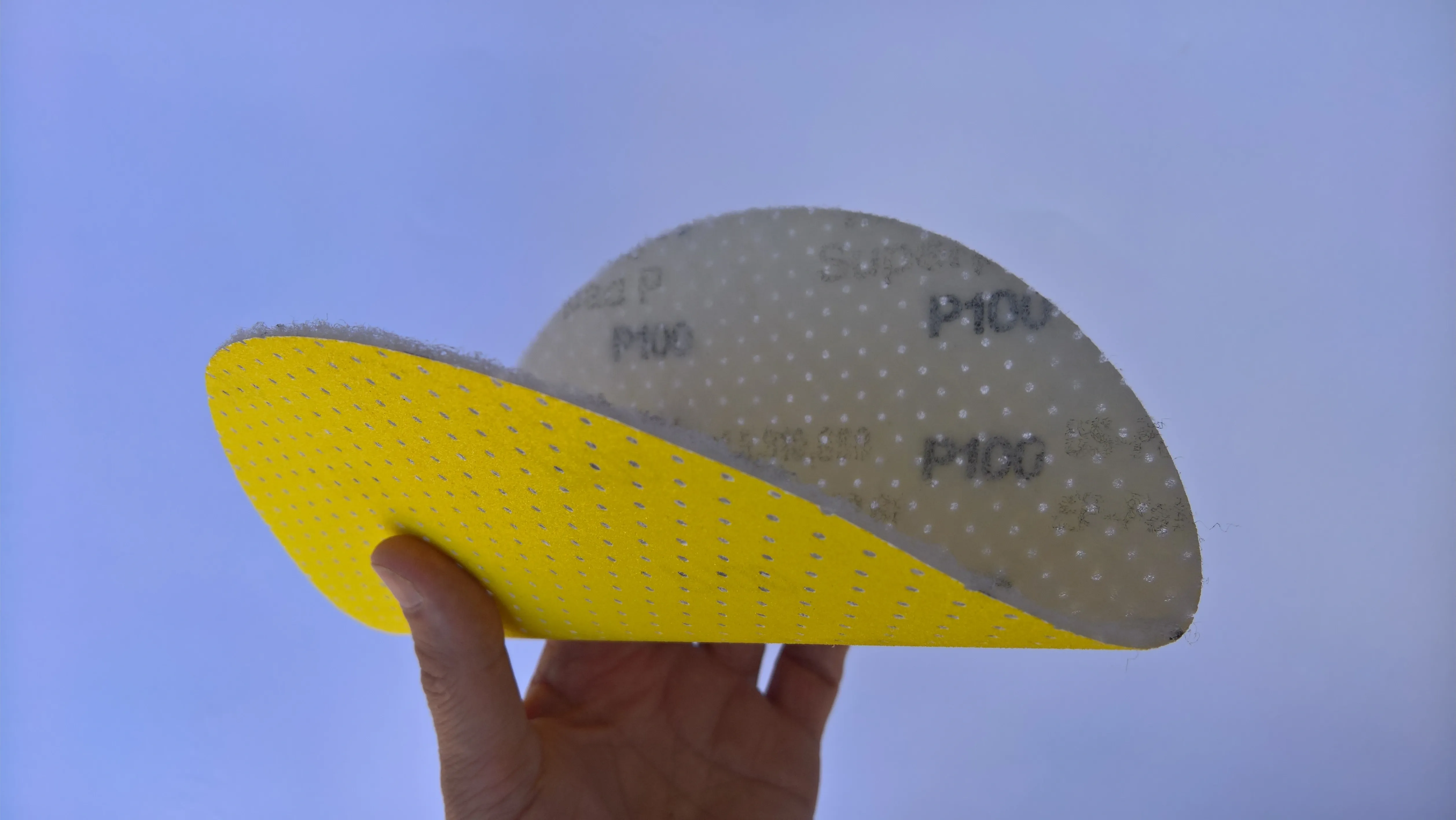
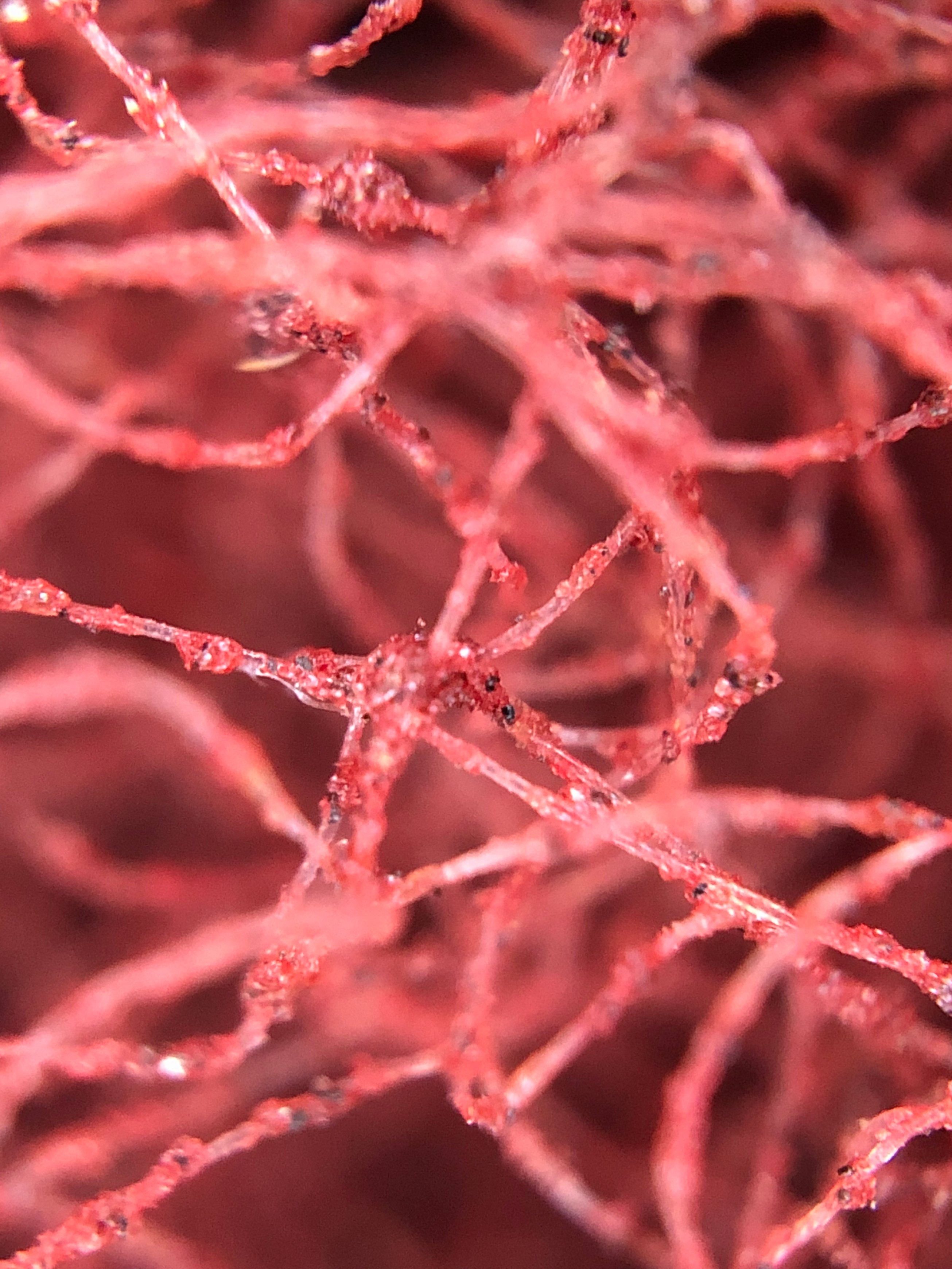
The grit number directly correlates to the size of the abrasive particles on the backing material.
- Lower numbers (P40–P180): Feature larger, aggressive macro-grains designed for rapid stock removal.
- Higher numbers (P1000–P3000): Feature ultra-fine micro-grains engineered for micro-scratch leveling and high-gloss polishing preparation.
Master Grit Range & Application Chart
Grit Range | Classification | Primary Industrial Application |
P40 - P80 | Coarse | Heavy stock removal, paint stripping, shaping weld seams. |
P100 - P180 | Medium | Surface leveling, bare wood sanding, initial metal prepping. |
P220 - P320 | Fine | Intermediate sanding, defuzzing wood, primer blending. |
P400 - P800 | Very Fine | Final primer sanding, scuffing clear coats before color application. |
P1000 - P1500 | Ultra Fine | Wet sanding of primers, removing dust nibs, leveling lacquer. |
P2000 - P3000 | Micro Fine | Clear coat defect rectification, pre-buffing paint correction. |
Recommended Grit Sequence for Automotive Refinishing
In the automotive repair and OEM sectors, strict adherence to a step-by-step grading process is essential to prevent sand scratch swelling under the final paint film.
- Body Filler Shaping (P80 – P120): Used dry to quickly level polyester fillers and shape body contours.
- Primer Sanding (P180 – P320): Prepares the e-coat or primer surfacer. Ensures mechanical adhesion without leaving deep deep grooves.
- Color Base Prep (P400 – P800): Often used with a flexible interface pad (dry or wet) to create a flawless foundation for basecoat adhesion.
- Clear Coat Correction (P1500 – P3000): Typically deployed as waterproof film or latex discs to eliminate orange peel and runs prior to final compounding.
B2B Manufacturing & OEM Supply
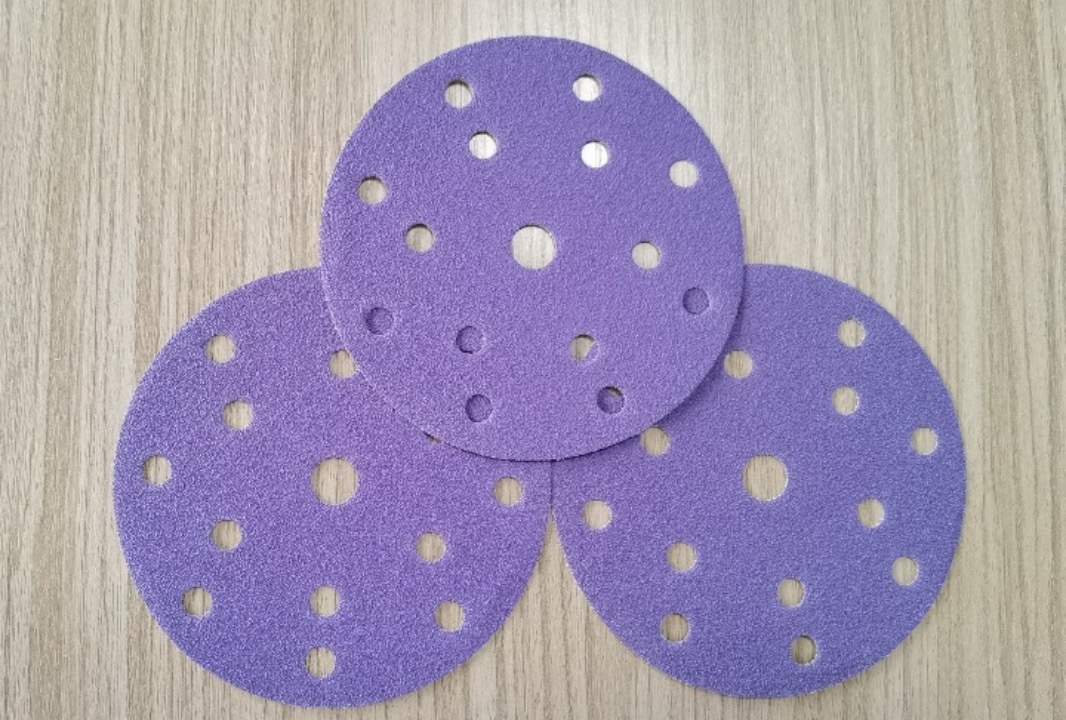
For industrial distributors and brand owners, batch-to-batch grit consistency is a non-negotiable requirement—especially in the micro-fine (P1500+) spectrum. A single oversized grain on a disc can ruin a premium clear coat finish.As a dedicated source manufacturer, Saylonk Abrasives utilizes advanced electrostatic coating technology to guarantee uniform grain distribution across our entire product line. We supply high-stability jumbo rolls, specialized multi-hole film discs, and waterproof latex sheets with comprehensive OEM and Private Label capabilities.
Optimize Your Sourcing Today
Need to secure a reliable supply chain for your grit lineup? Contact our engineering team to request customized sample sets and factory-direct wholesale pricing.
- Email: anna@saylonk.com
- Website: www.saylonk.com