Jun 18, 2026Abrasive Technology
Silicon Carbide vs Aluminum Oxide Sandpaper: Wholesale Buyer’s Guide
Compare Silicon Carbide and Aluminum Oxide sandpaper for industrial applications. Learn about material hardness, friability, and OEM manufacturing solutions from a leading source factory.
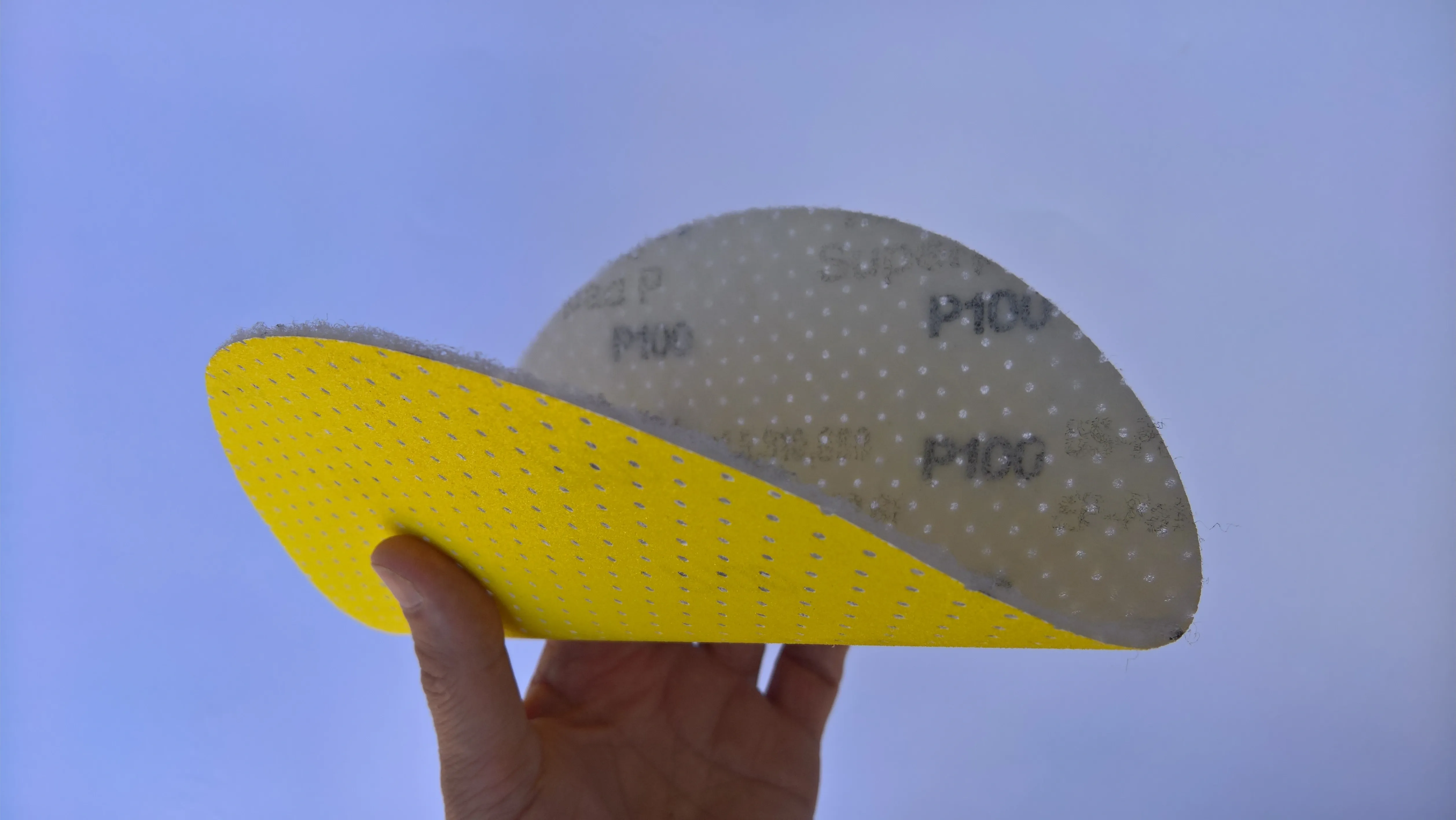
Silicon Carbide vs Aluminum Oxide Sandpaper: Which One Should You Choose for Industrial Applications?
Choosing the right abrasive mineral is critical for achieving the optimal balance between surface finish quality and production cost efficiency. In high-volume industrial processing, the two most widely deployed synthetic minerals are Aluminum Oxide (Al2O3) and Silicon Carbide (SiC).
While both serve essential roles in surface preparation, they exhibit fundamentally different grain microstructures, fracture behaviors, and thermal properties. Understanding these differences is key to optimizing your manufacturing supply chain.
What Is Aluminum Oxide (Al2O3) Sandpaper?
Aluminum Oxide is a highly durable, blocky synthetic abrasive grain characterized by its extreme toughness and high tensile strength. It is the global benchmark for heavy-duty stock removal and general-purpose industrial sanding.
The defining technical characteristic of Aluminum Oxide is its friability (micro-fracturing ability). Under operational pressure, the grains do not simply dull; instead, they fracture along micro-crystalline fault lines. This continuous self-sharpening mechanism exposes fresh, sharp cutting edges throughout the lifespan of the belt or disc.
Key Industrial Advantages:
- Extended Operational Lifespan: High resistance to premature grain shedding and wear under heavy load.
- High Tensile Versatility: Exceptional performance on high-tensile materials, including carbon steel, alloy steels, and hard woods.
- Excellent Value Stability: Highly cost-effective for continuous production lines where consistent stock removal is required.
- Optimized for Dry Sanding: Functions perfectly in dry industrial environments without thermal degradation when paired with premium resin-over-resin bonding.
What Is Silicon Carbide (SiC) Sandpaper?
Silicon Carbide is the hardest and sharpest synthetic mineral used in the coated abrasives industry. Its crystalline structure forms sharp, needle-like edges that penetrate surfaces with minimal initial pressure.
Unlike Aluminum Oxide, Silicon Carbide is highly brittle. Rather than micro-fracturing to self-sharpen, the grains shatter completely under high impact. Therefore, it excels under light, consistent pressure where precision, speed, and finish quality take precedence over brute durability.
Key Industrial Advantages:
- Aggressive Initial Cut Rate: Sharp grain geometry allows for rapid, effortless material penetration.
- Flawless Surface Finishes: Ideal for fine finishing, lacquers, sealers, and clear coats where deep scratching is prohibited.
- Superior Wet Sanding Compatibility: Naturally resists loading and heat buildup, making it the industry standard for waterproof latex and film backing systems.
- Perfect for Brittle/Low-Tensile Materials: Highly efficient on non-ferrous metals (aluminum, brass, copper), glass, plastics, stone, and automotive refinishing primers.
Technical Comparison Matrix
Technical Feature | Silicon Carbide (SiC) | Aluminum Oxide (Al2O3) |
Mineral Hardness | Higher (9.5 on Mohs Scale) | High (9.0 on Mohs Scale) |
Grain Behavior | Brittle / Sharp Fracturing | Tough / Micro-Fracturing (Friable) |
Primary Cut Type | Rapid, precision shearing | Continuous, heavy-duty stock removal |
Wet/Dry Applications | Outstanding for Waterproof / Wet | Primarily optimized for Dry Sanding |
Automotive Refinishing | Industry standard for primers & clear coats | Excellent for structural metal prepping |
Woodworking Applications | Best for sealer sanding and MDF finishing | Superior for solid wood & calibrating wide belts |
Production Cost | Premium pricing | Highly economical / Stable cost-per-piece |
Which One Should You Choose for Your Production?
The decision boils down to your workpiece material characteristics and your specific step in the finishing process:
- Choose Silicon Carbide if: Your application involves automotive refinishing, primer sanding, wet sanding of stone/glass, lacquer finishing, or working with non-ferrous metals. It is the definitive choice whenever a flawless, scratch-free surface profile is mandatory.
- Choose Aluminum Oxide if: You are managing high-volume woodworking facilities, metal fabrication lines, or heavy-duty calibrating machinery. Its micro-crystalline toughness ensures maximum uptime and lower consumable replacement costs for general stock removal.
B2B Sourcing Partner: OEM & Jumbo Roll Supply
As an established industrial source manufacturer, Saylonk Abrasives specializes in producing high-performance abrasive jumbo rolls and converted products for global distribution. We understand that industrial clients require strict batch-to-batch consistency, optimized anti-clogging stearate coatings, and robust backing integrity.
Request a Technical Sample & Wholesale Quote
Ready to optimize your abrasive supply chain? Contact our engineering and sales team today to request specific grain test samples and competitive factory-direct pricing.
- Email: anna@saylonk.com
- Website: www.saylonk.com